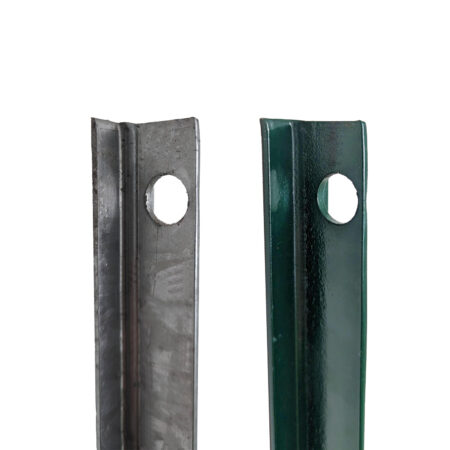
32m (105ft)
1.6mm (16g)
Silver / grey
£5.32 inc. VAT

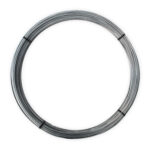
High-grade, galvanised and green plastic coated line tensioning wire available.
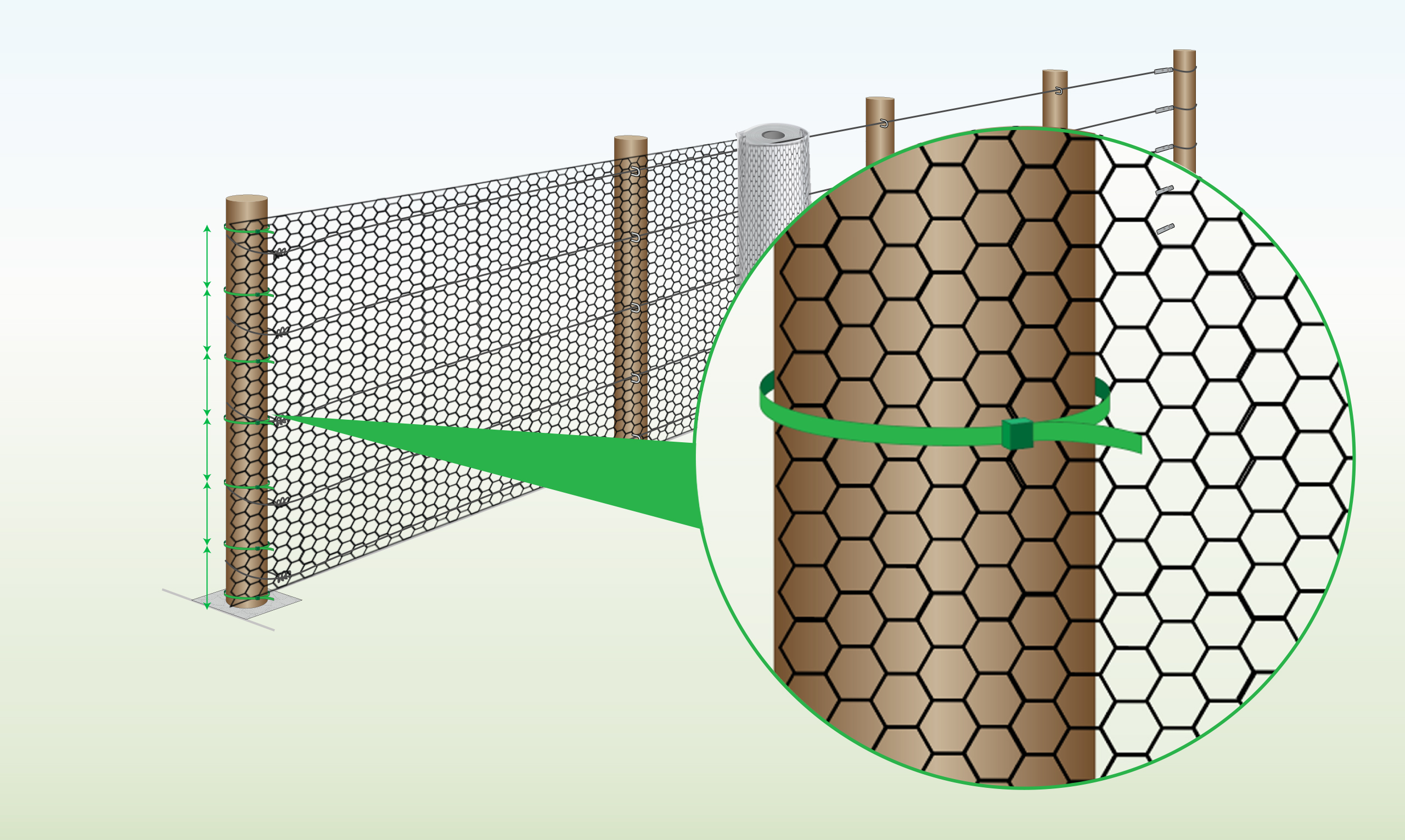
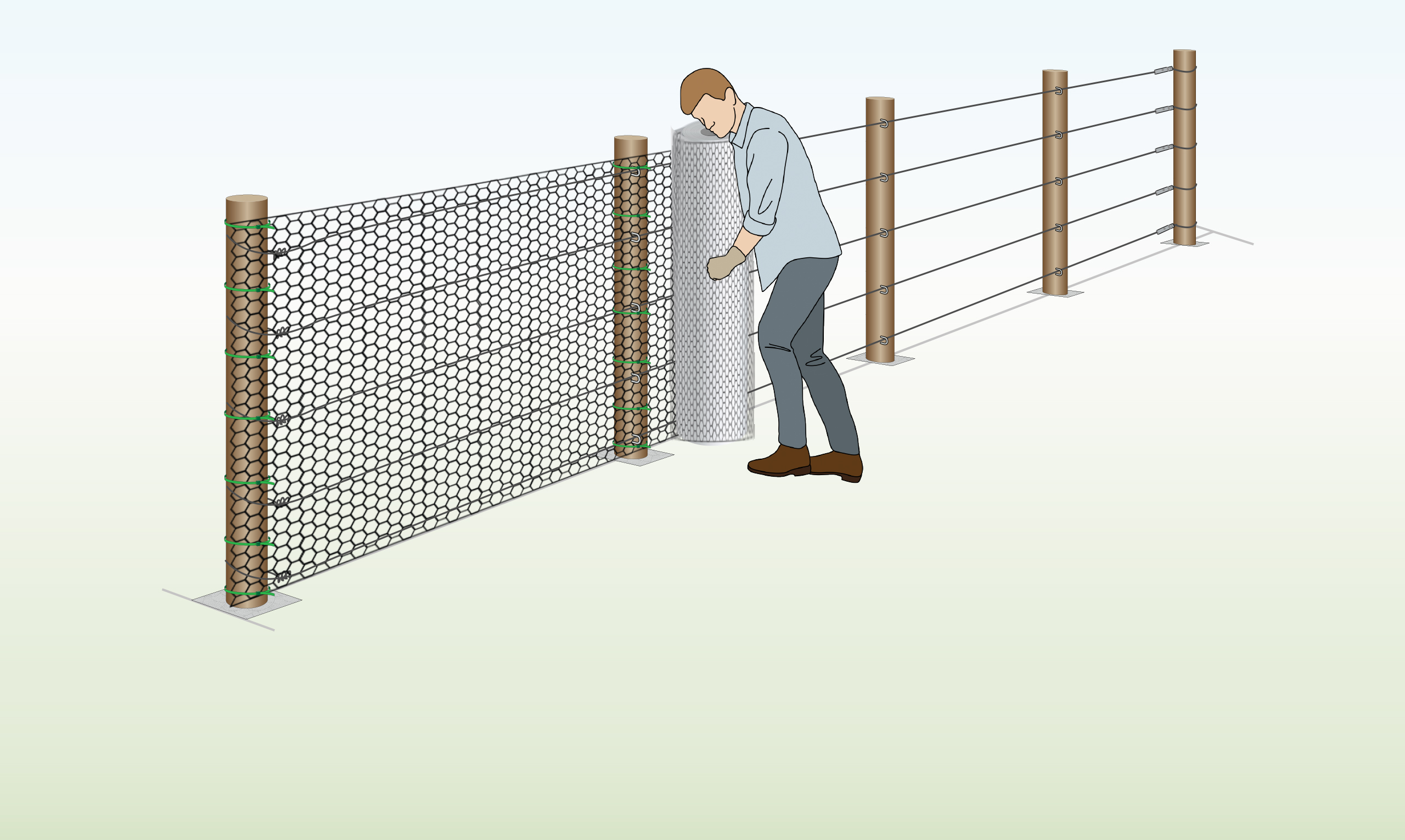
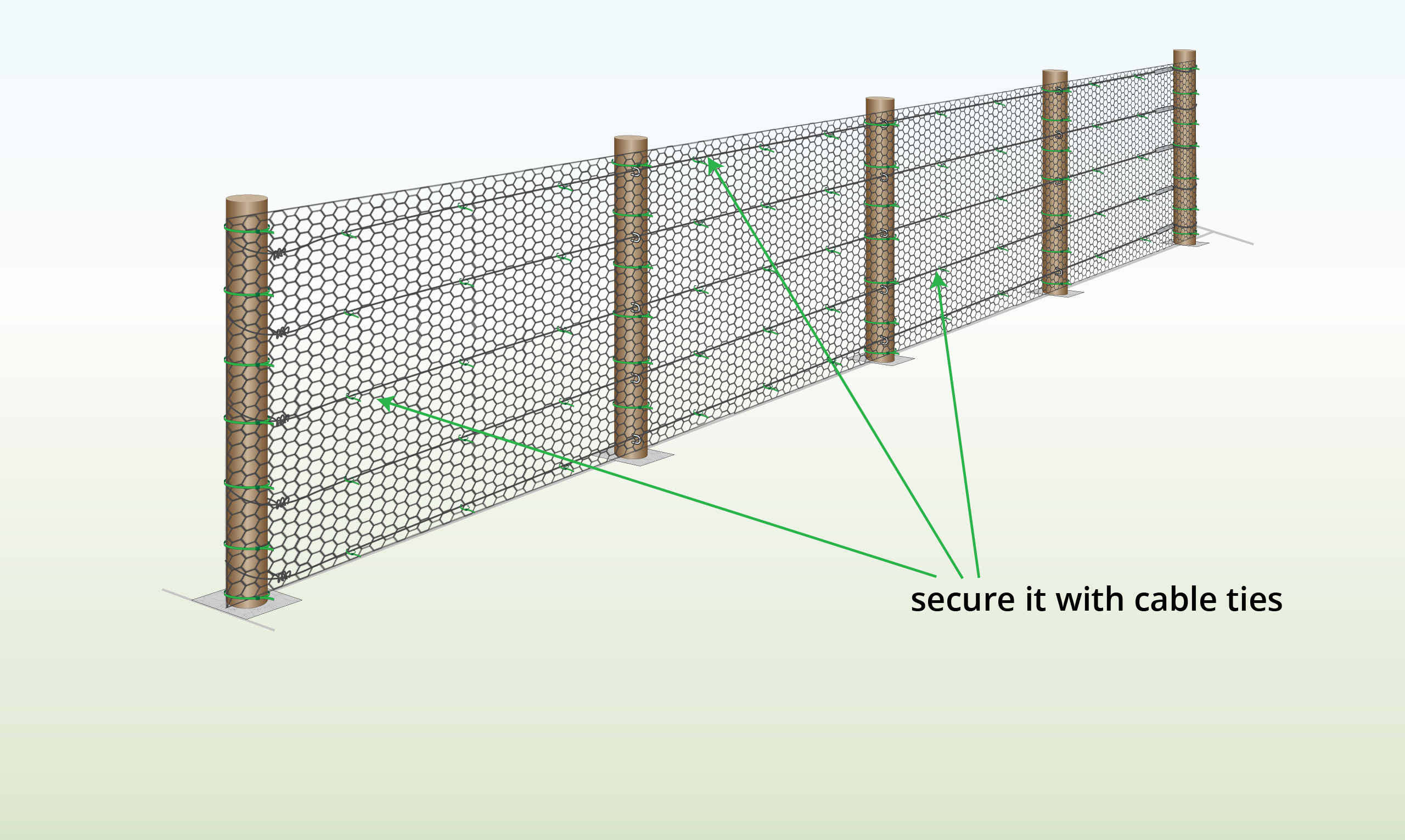
Used to create tension between posts in many types of fencing including: chain link fencing, stock fence, hexagonal wire fencing, rabbit fencing and wire mesh.

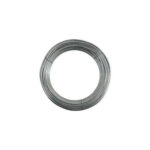
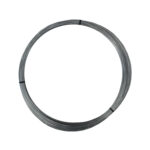
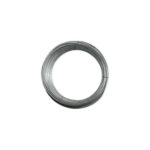
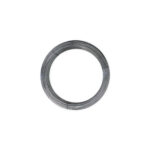
| Galvanised | 3.5mm (9g) |
3mm (10g) |
2.5mm (12g) |
1.6mm (16g) |
0.7mm (22g) |
| Best for Tensioing Fences | |||||
| Can be bent Refers to the ability of the mesh to be bent out of shape by hand | |||||
| Holds shape when bent Confirms whether the mesh will hold its shape after bending it | |||||
| Sags over time Refers to whether the mesh will droop over time if it is stood up | |||||
|
Can be cut using Refers to the tool that is required as a minimum to cut the mesh |
Mini Bolt Cutters | Mini Bolt Cutters |
Mini Bolt Cutters |
Wire Cutters | Wire Cutters |
| PVC Coated | 3.8mm (9g) |
3.5mm (9g) |
3.15mm (10g) |
2mm (14g) |
| Best for Tensioing Fences | ||||
| Can be bent Refers to the ability of the mesh to be bent out of shape by hand | ||||
| Holds shape when bent Confirms whether the mesh will hold its shape after bending it | ||||
| Sags over time Refers to whether the mesh will droop over time if it is stood up | ||||
|
Can be cut using Refers to the tool that is required as a minimum to cut the mesh |
Mini Bolt Cutters |
Mini Bolt Cutters |
Mini Bolt Cutters |
Wire Cutters |

For a Tension Wire Fence
For Any Type of Fencing
For T Posts
| To Do | Explanation |
| Step 1 – Mark the Post Location
|
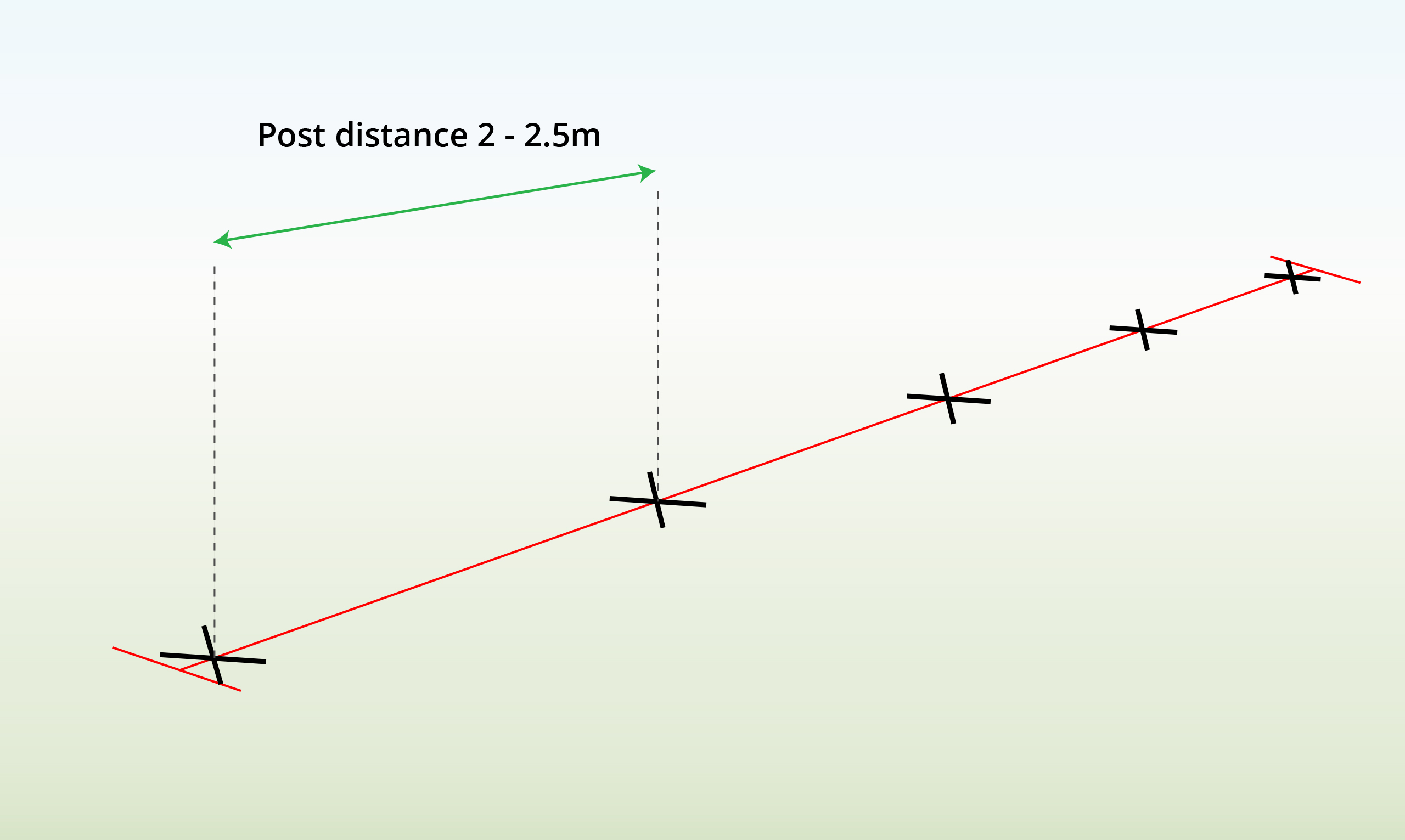
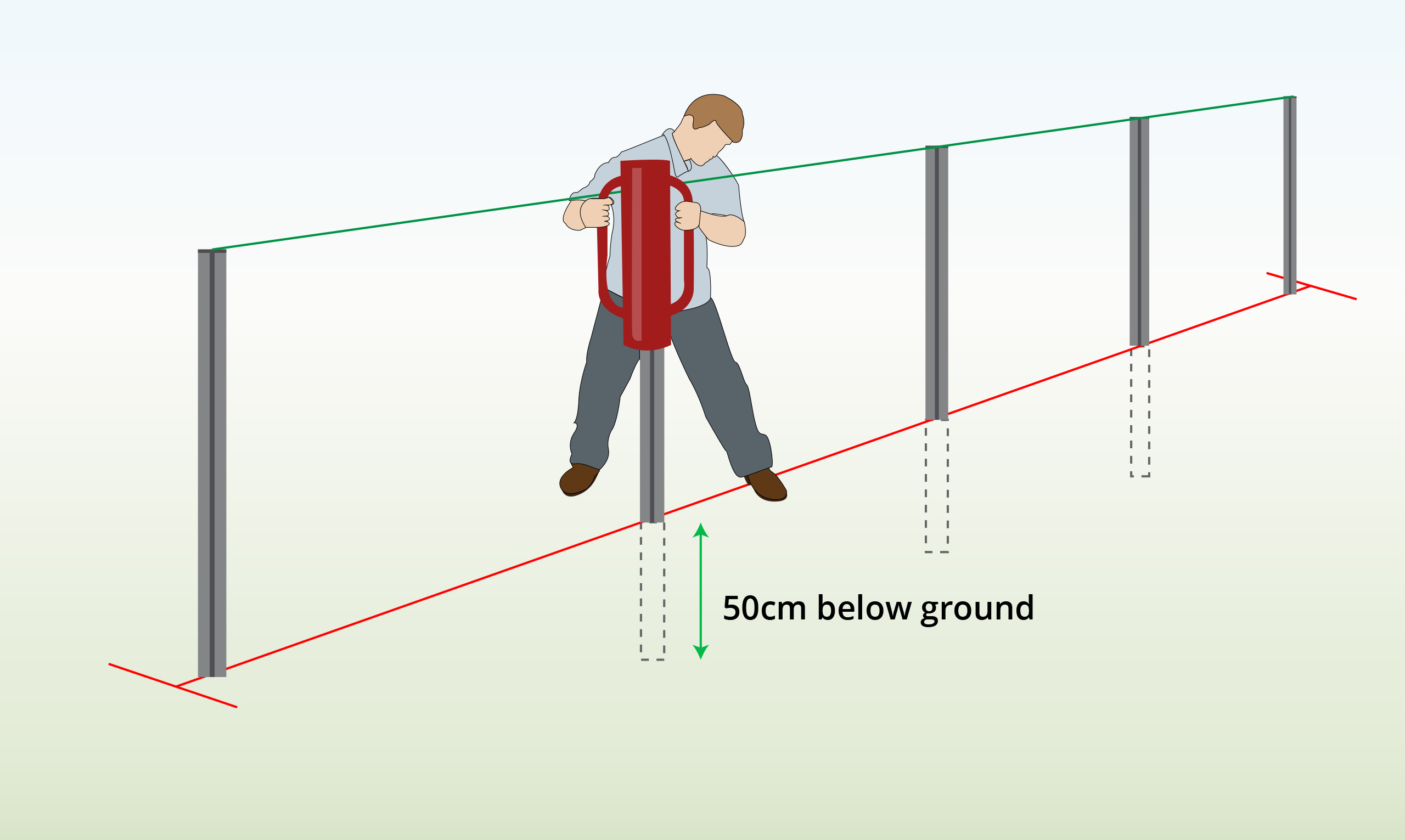
Mark the post location with a distance of 2-2.5m apart from each other. |
| Step 2 – Dig Holes
|
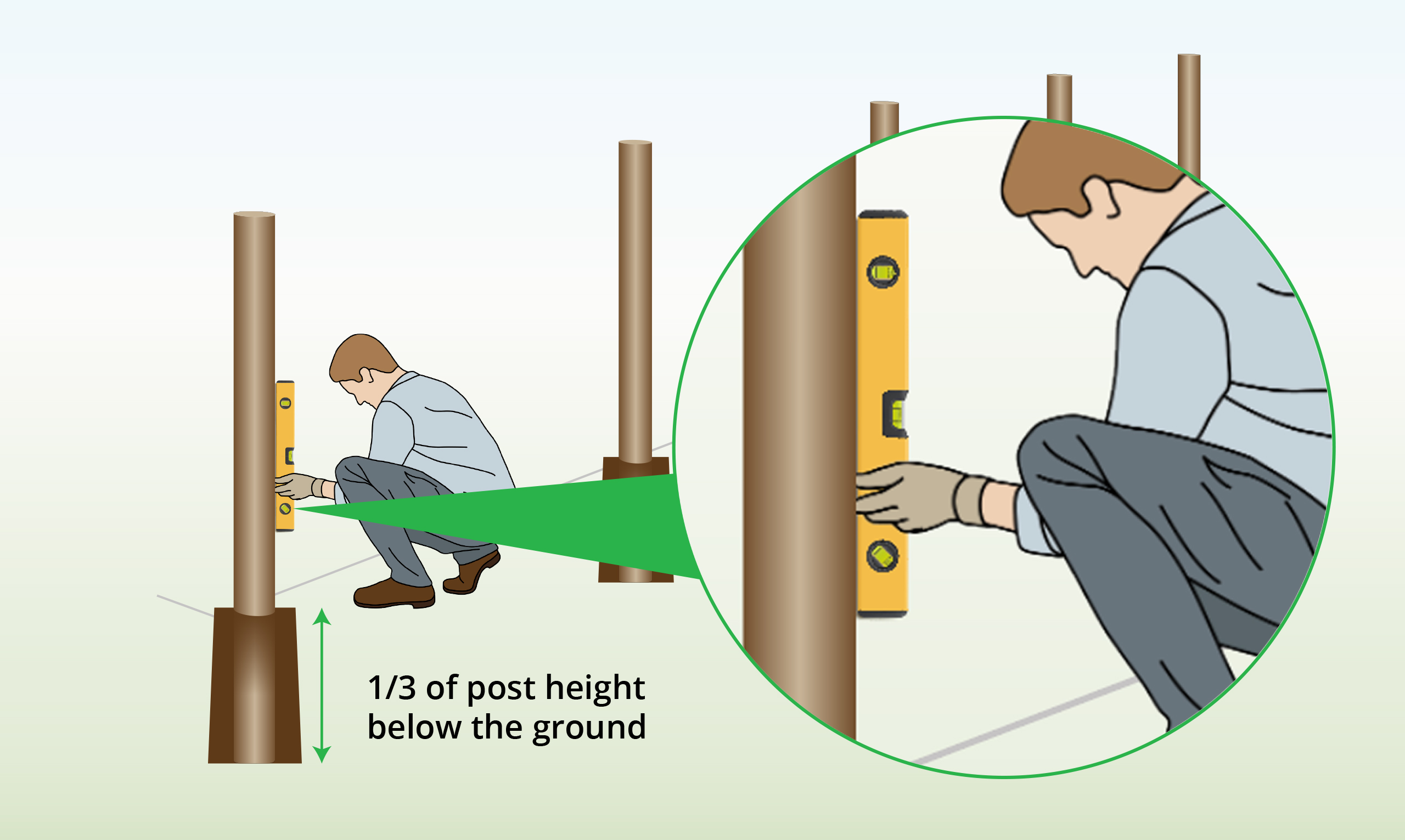
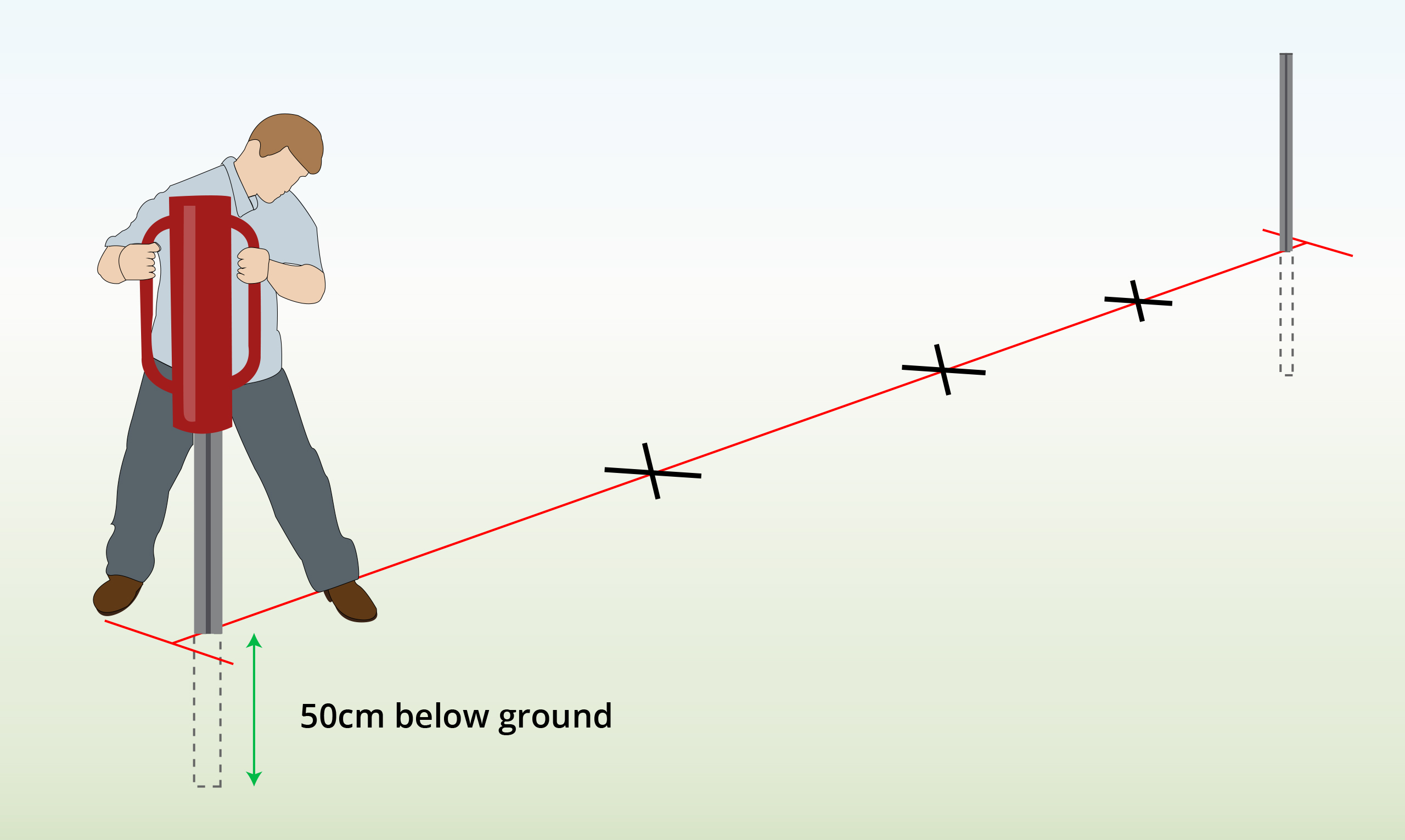
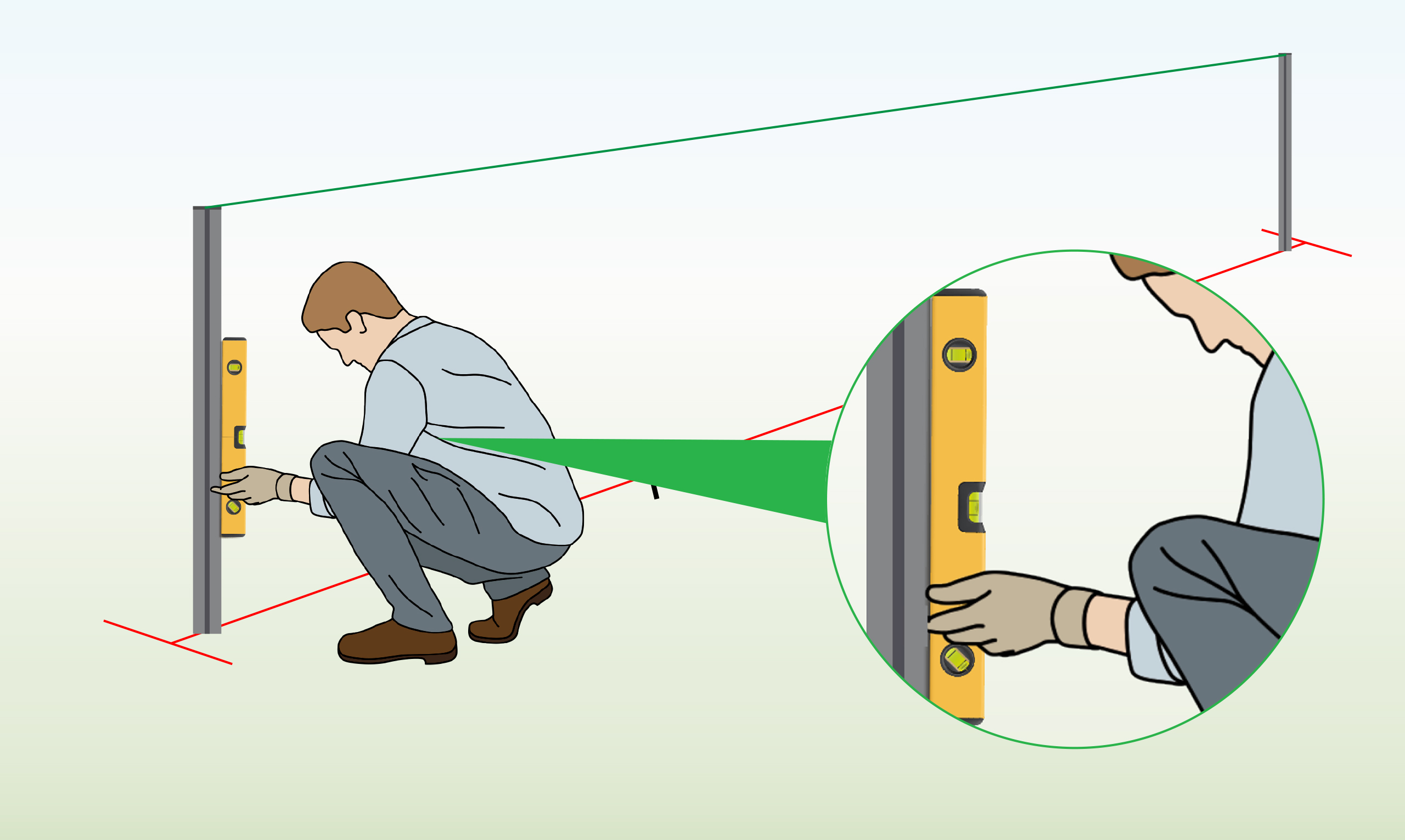
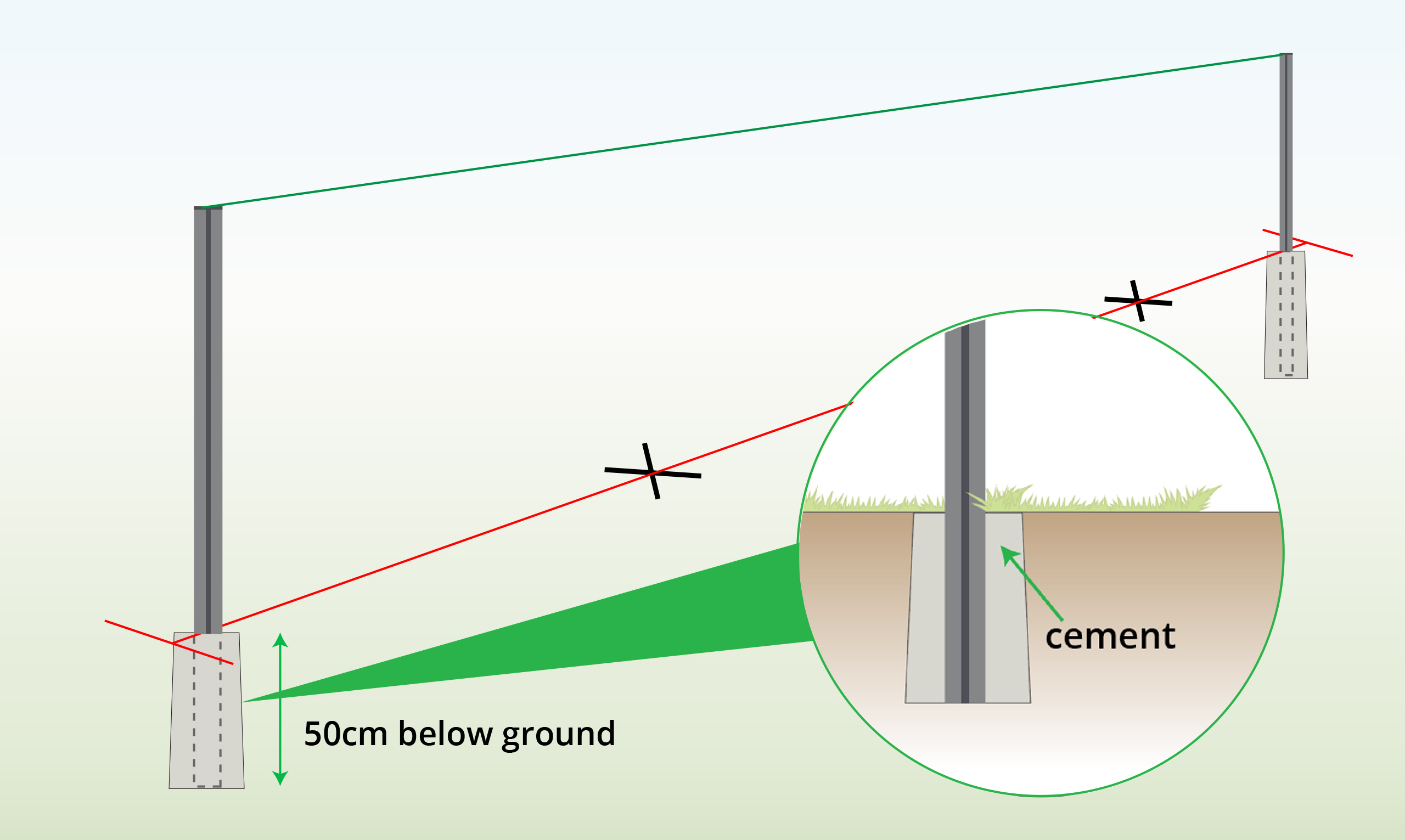
Dig a hole to place your posts into. The depth of the hole should be around a 3rd of the post.
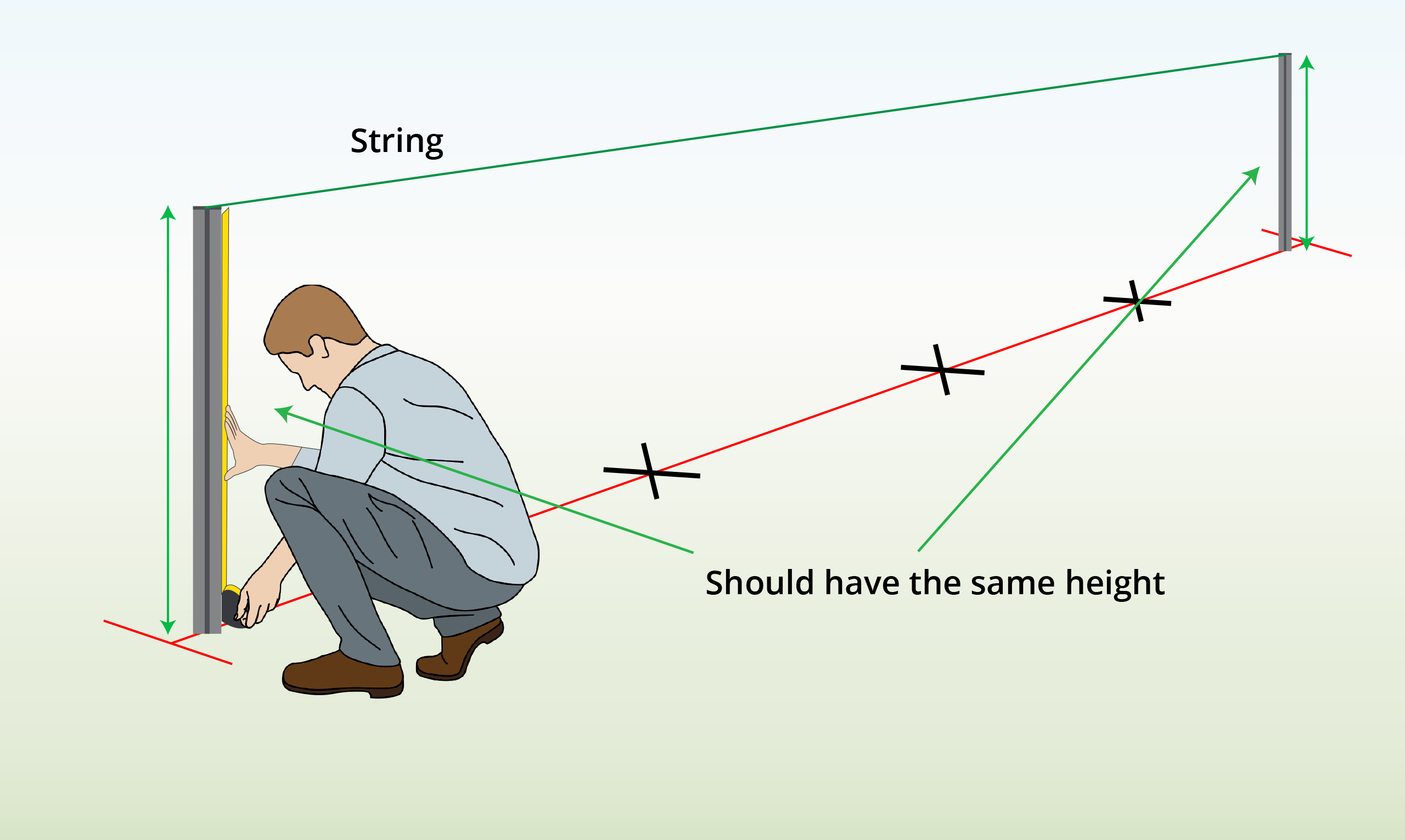
Use a spirit level to ensure the posts are straight. |
| Step 3 (Optional) – Cement in Posts
|
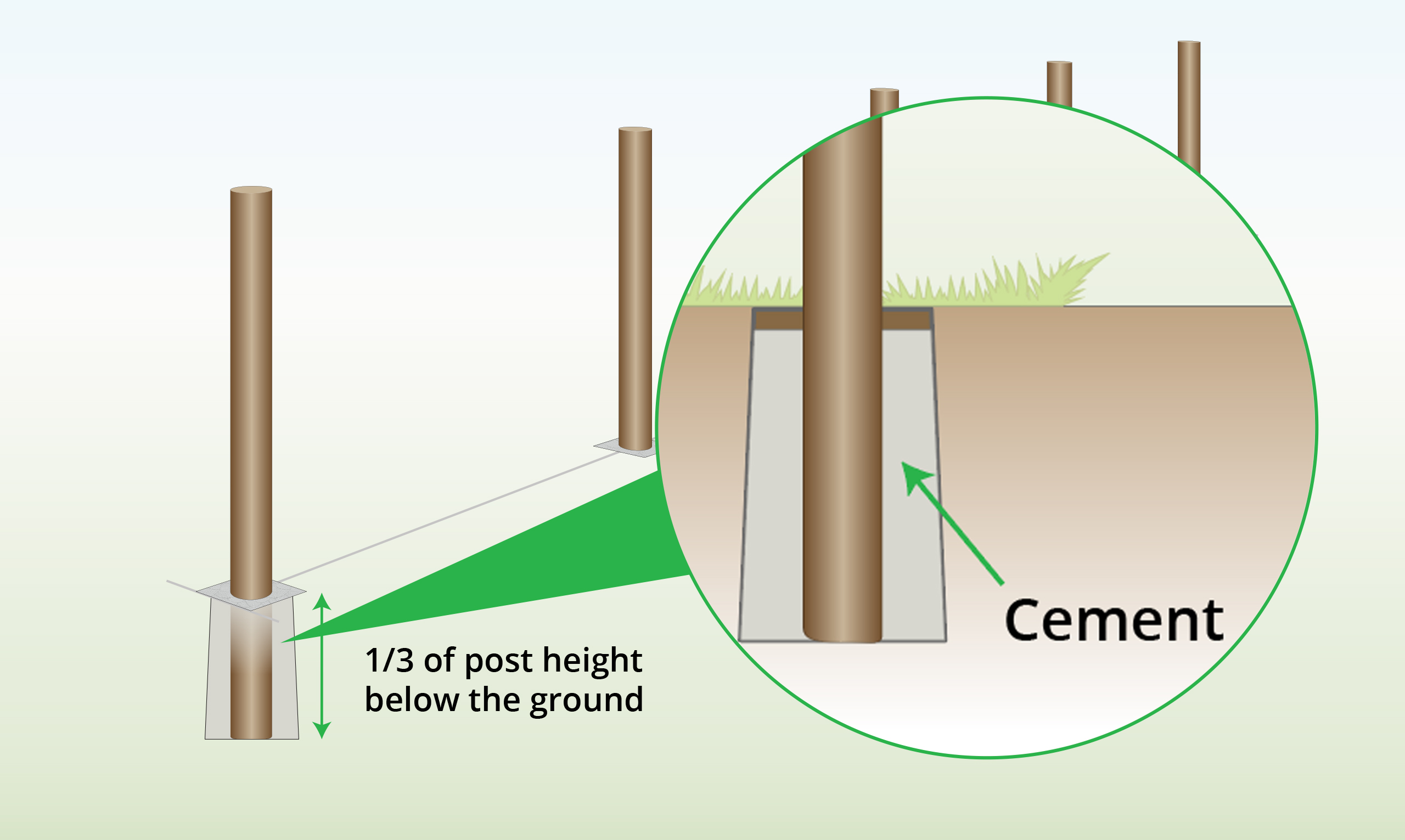
Pour concrete into the holes then place your posts into the concrete. |
| Step 4 – Mark Wire Location
|
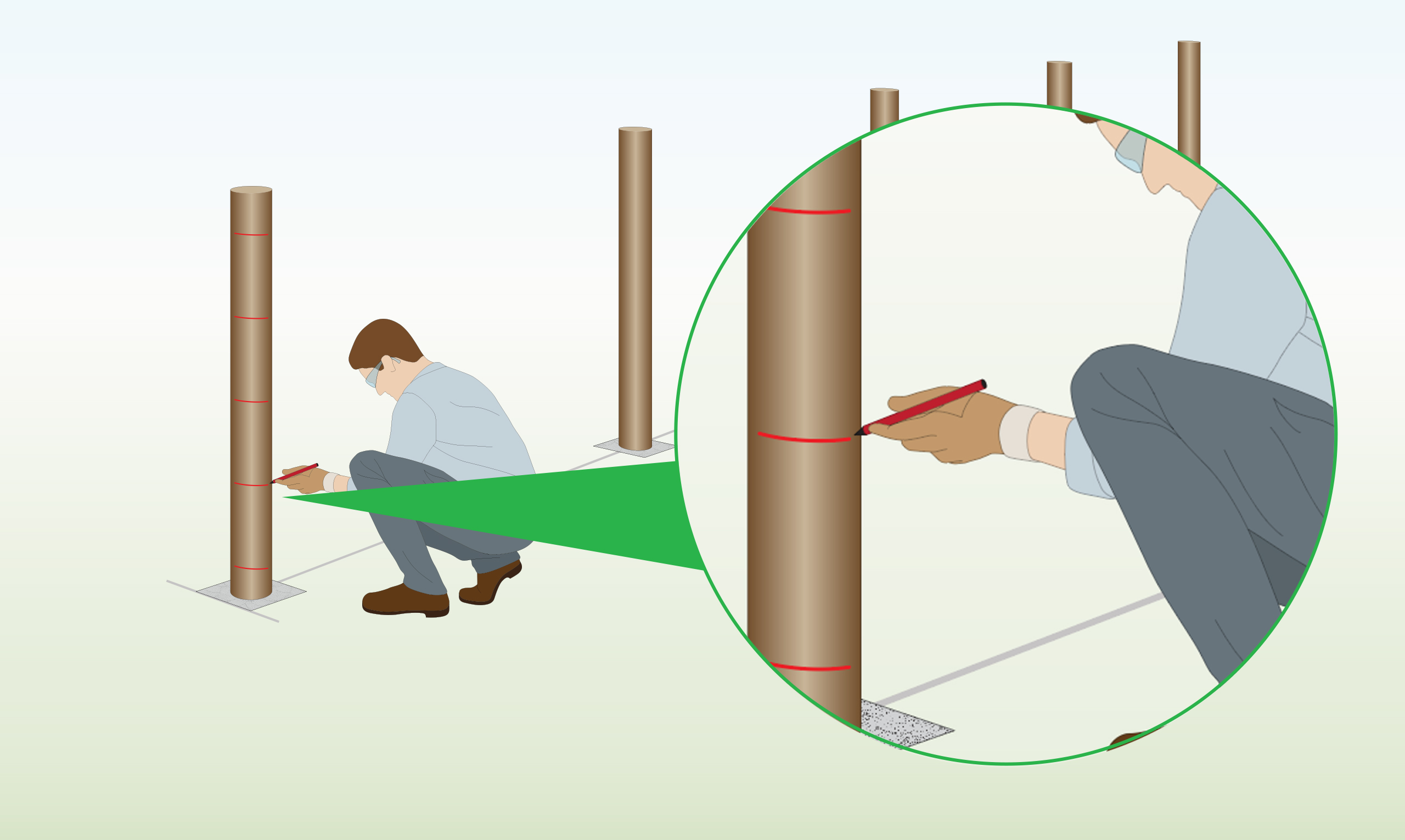
Mark where each strand of wire should be on the first and last post. |
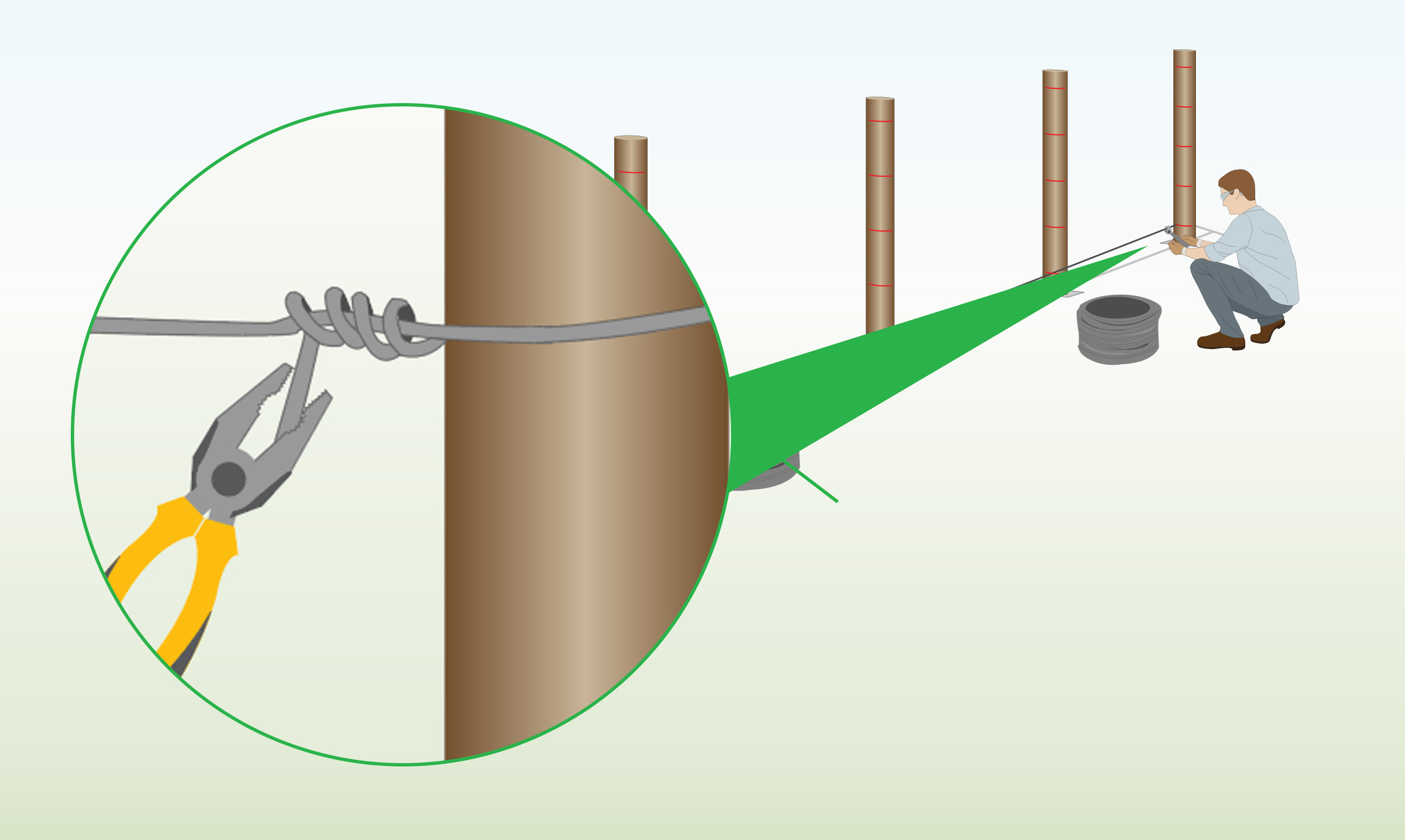
| Step 5 – Attach Wire to Start Post
|
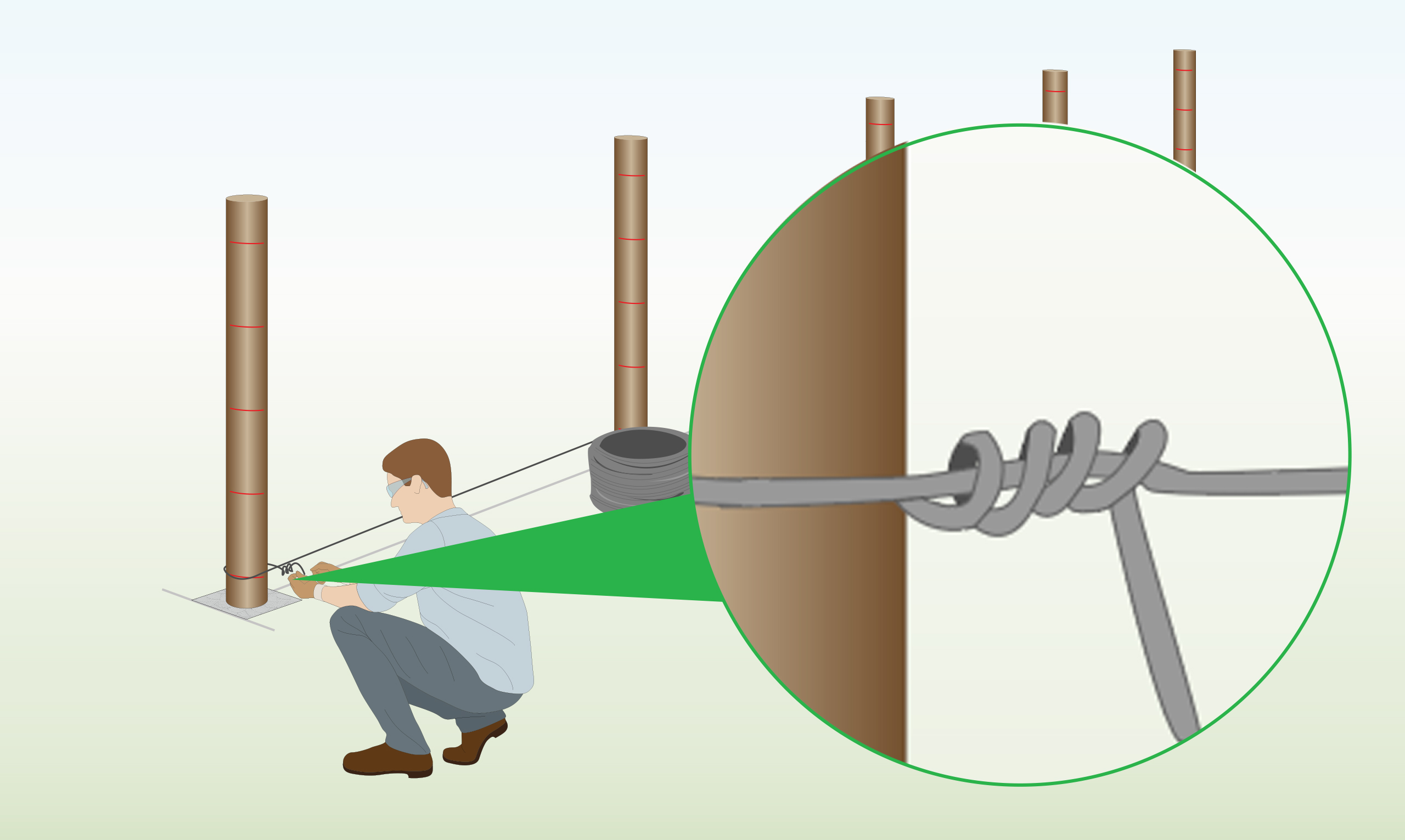
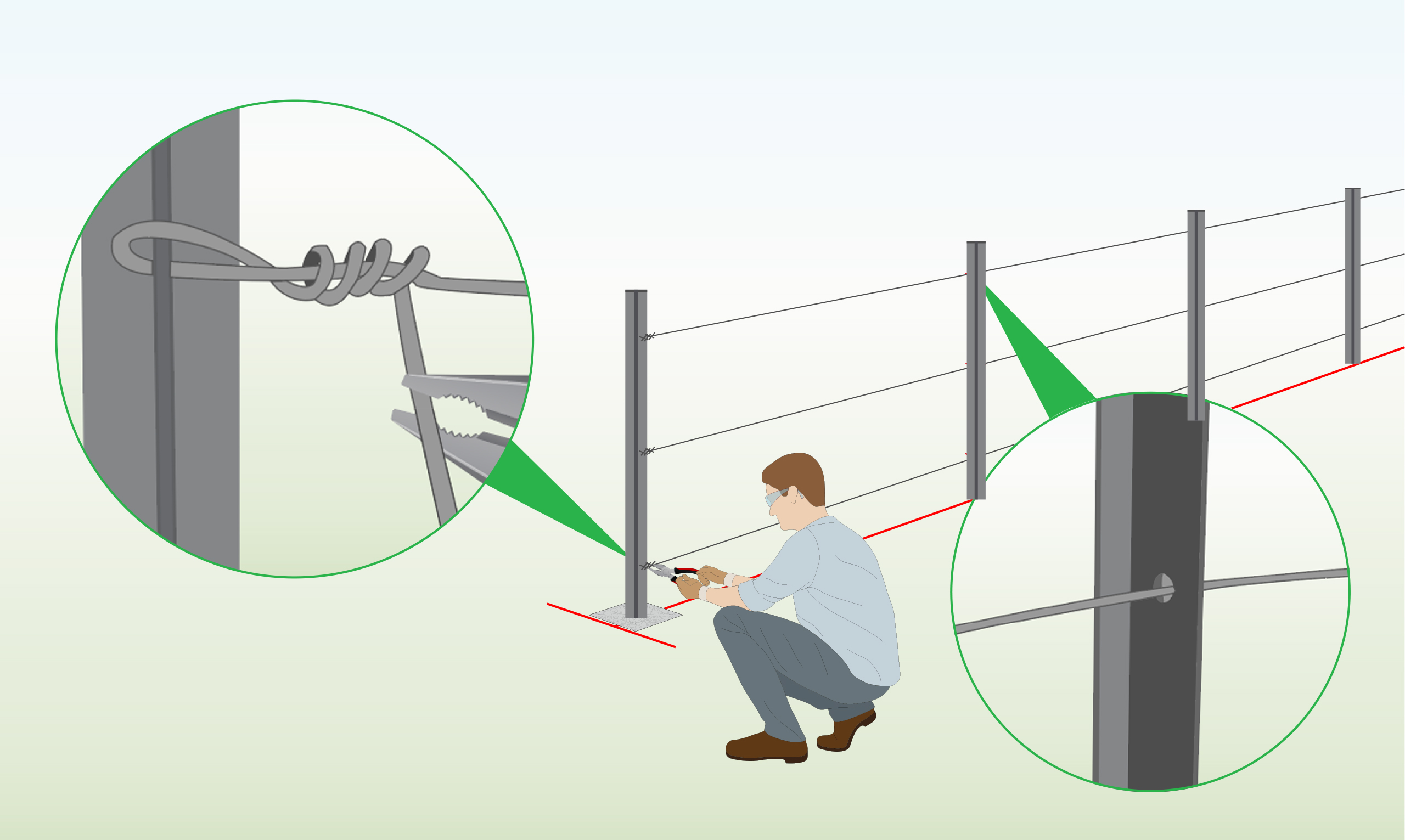
Attach the first strand to the bottom of the starting post.
Hook the wire around the post, twist it back and wrap it around itself 4-5 times to hold the tension. |
| Step 6 – Attach Radisseur to Last Post
|
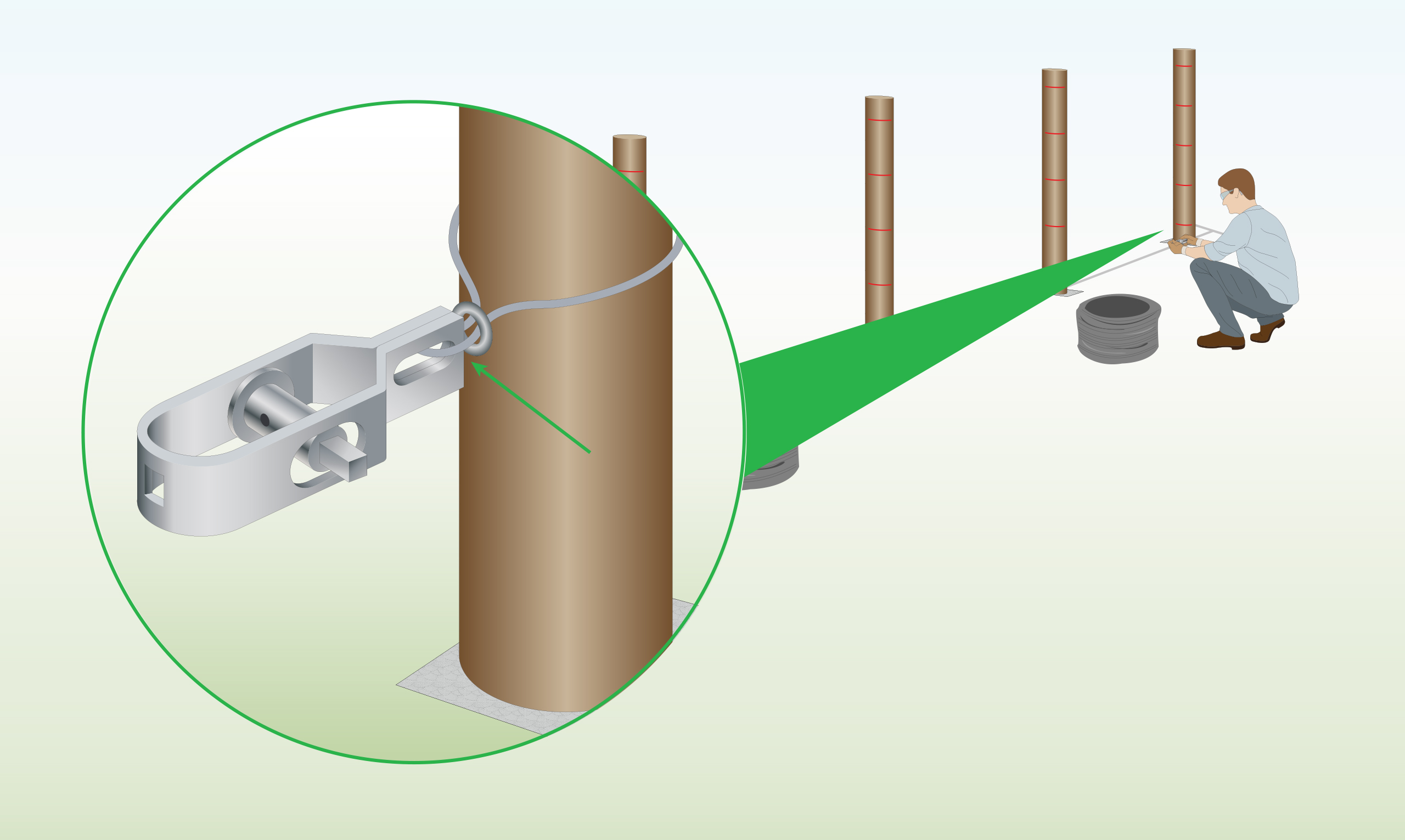
Using a separate piece of wire, attach a radisseur to the last post. |
| Step 7 – Attach Wire to Radisseur
|
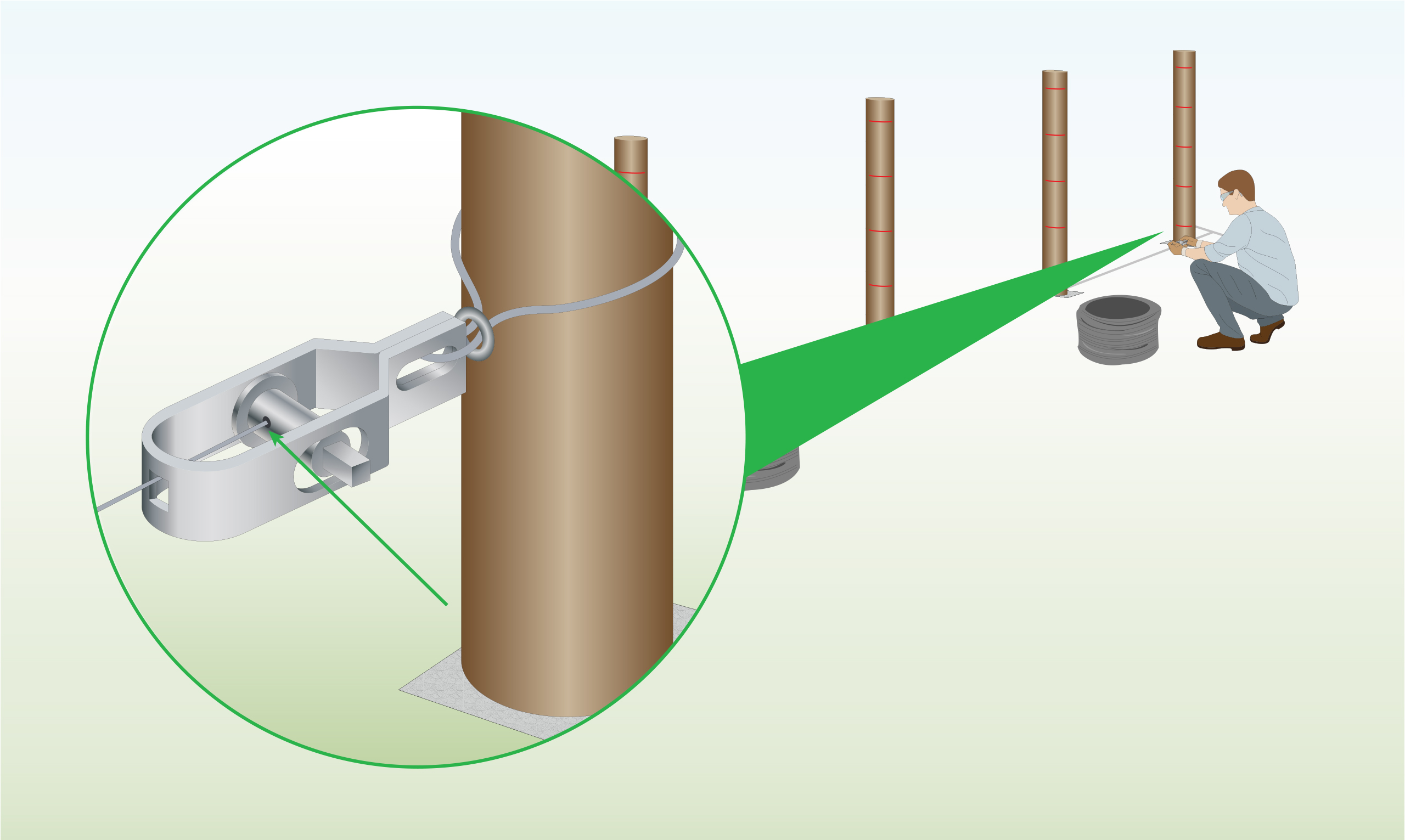
Cut the first line of tensioning wire leaving an extra 10 cm of length.
Weave the wire through the hole located in the middle of the radisseur. |
| Step 8 – Tension the Wire
|
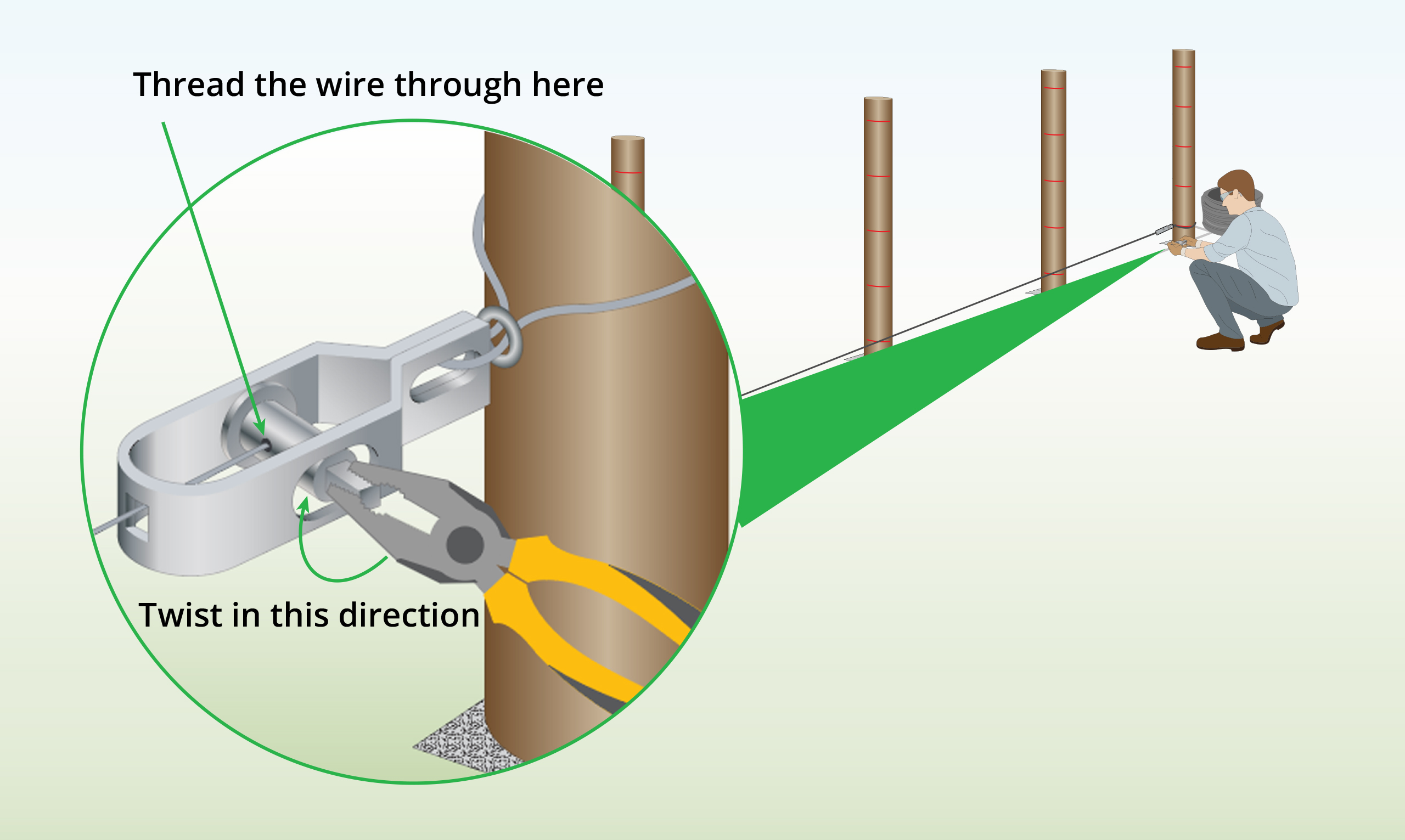
Use pliers to twist the pin on the radisseur in a clockwise direction. |
| Alternative Option
|
If you don’t have a radisseur, you can twist the wire around the post and wrap it around itself 4-5 times.
This method will not create as much tension compared to using a radisseur. |
| Step 9 – Attach to Middle Posts
|
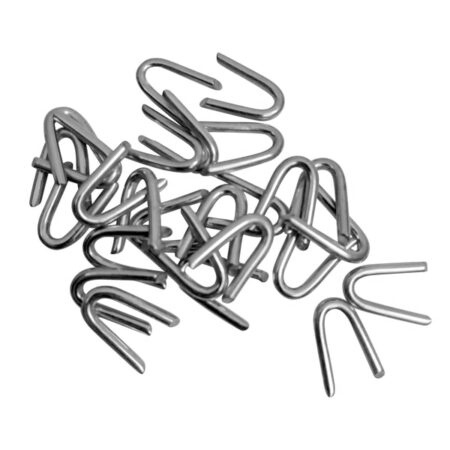
Attach the wire to the middle posts using staples. Allow a little room for the wire to move inside the staple.
|
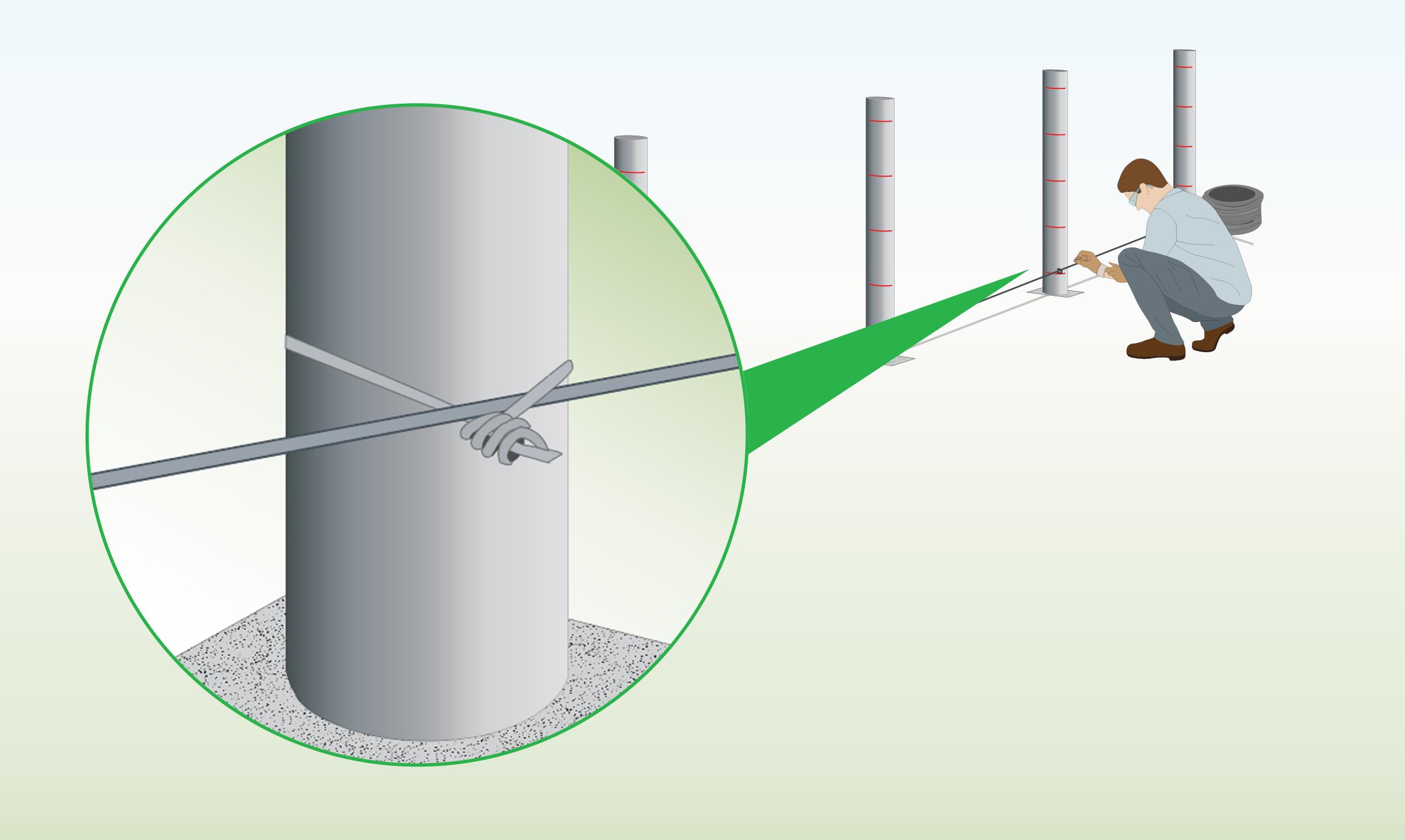
| Alternative Option
|
In case of metal posts, where there aren’t any pre-drilled holes, cut a piece of wire and use it to secure the line wires one by one to each intermediate post. |
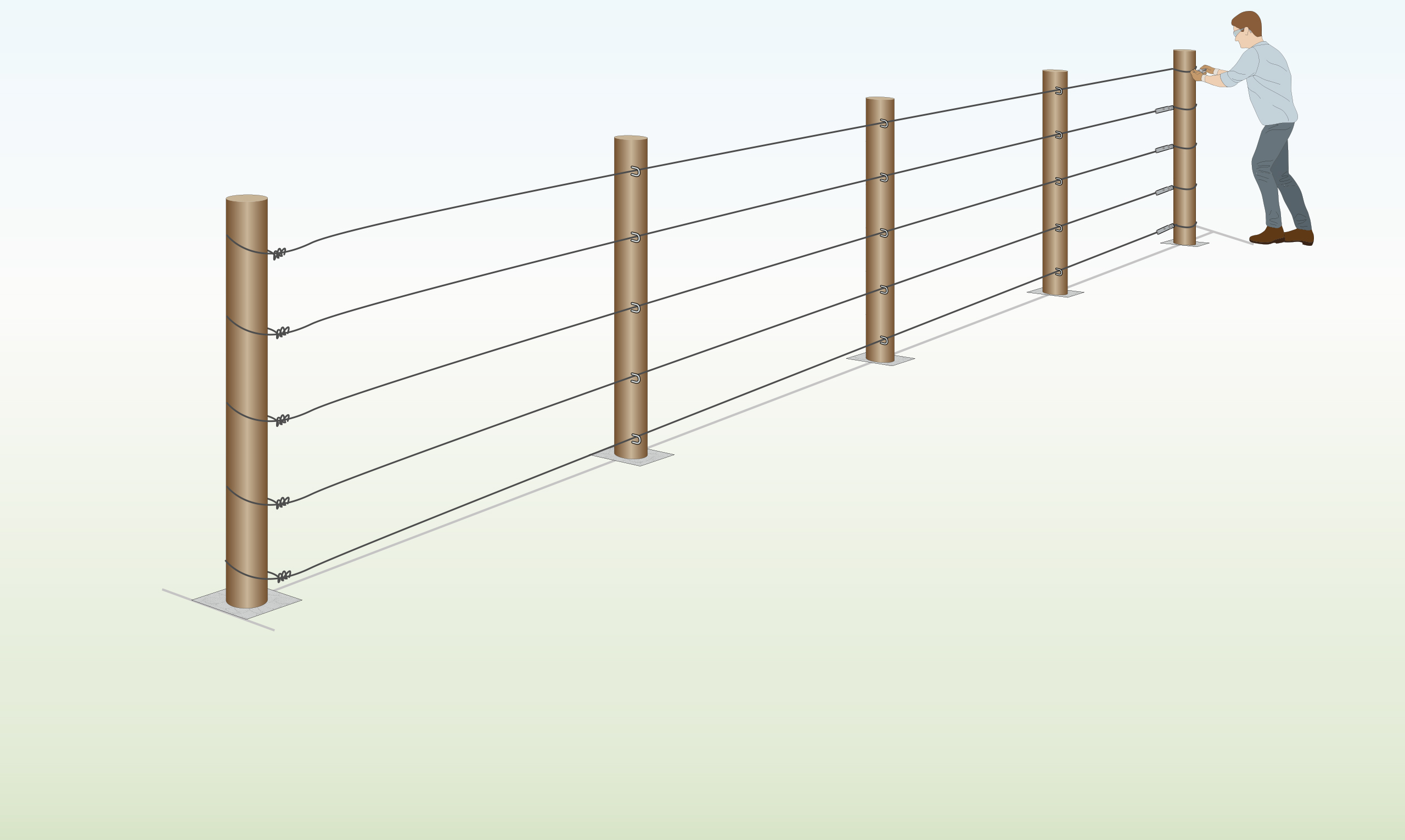
| Step 10 – Repeat Steps 5-9
|
Attach the rest of the wire by repeating steps 5-9. |


Wire Fence is part of the Super Magic Bean group - VAT Registered: 344 7643 83 - Company Registration No: 11290483